
Unleashing the Power of DevOps: Automation, Scaling, and Infrastructure Essentials

"I'm a 3rd-year Computer Engineering student at Marwadi University with skills in C++, web development (MERN stack), and DevOps tools like Kubernetes. I contribute to open-source projects and share tech knowledge on GitHub and LinkedIn. I'm learning cloud technologies and app deployment. As an Internshala Student Partner, I help others find jobs and courses." now currently focusing on #90DaysOfDevops
Understanding DevOps and its components can seem complex, especially if you're new to the field. This guide will break down the concepts in a simple, easy-to-understand way, complete with real-life examples.
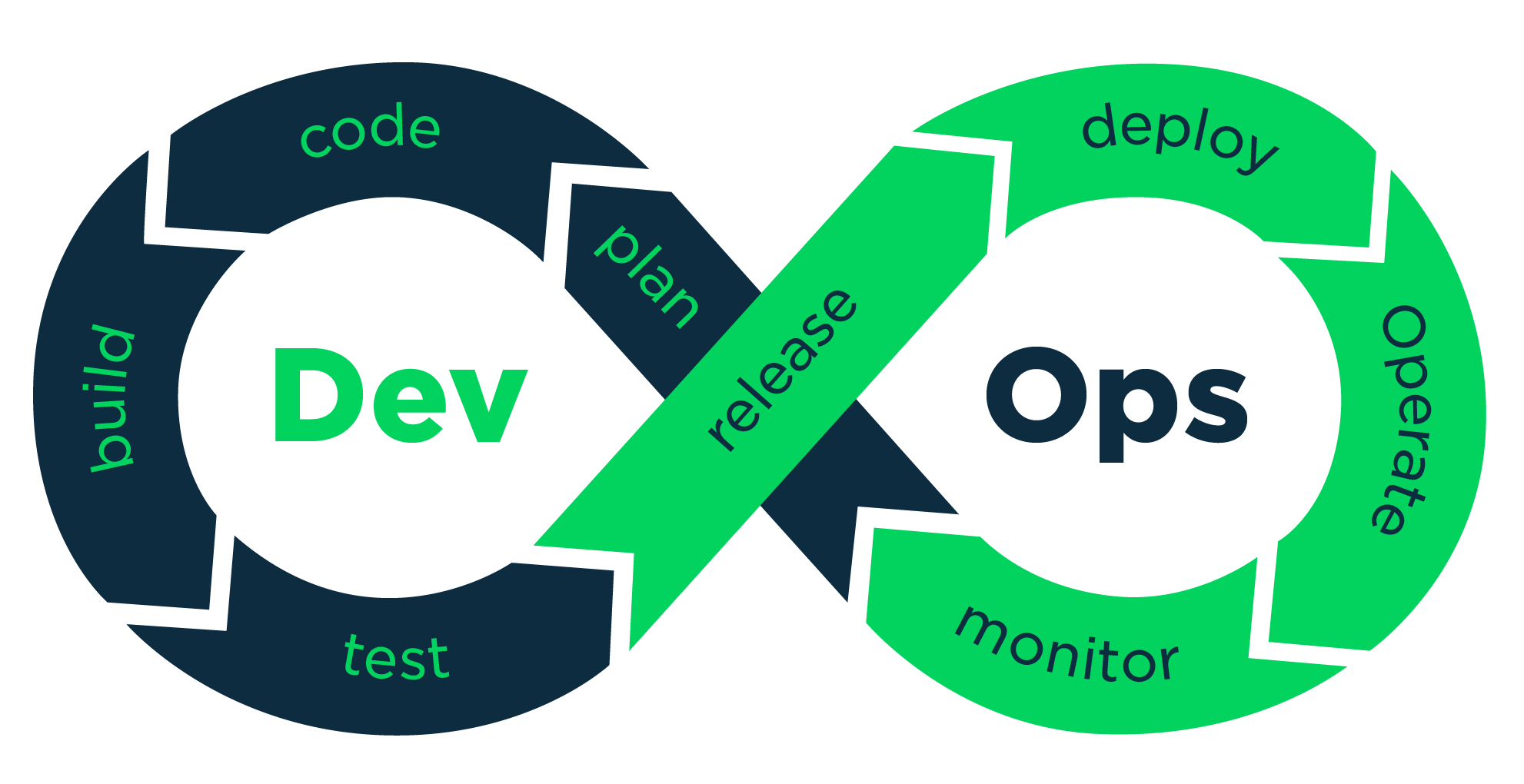
🚀 What is DevOps?
DevOps is a combination of "development" and "operations." It's a set of practices that brings together software developers and IT operations teams to work collaboratively. The main goal is to deliver software faster, with better quality and reliability.
🌟 Key Principles of DevOps:
🧑🤝🧑 Collaboration: Think of it as a sports team. For a team to win, players need to work together, understand each other’s roles, and communicate effectively.
🤖 Automation: Imagine you have a smart home. You program your coffee maker to brew coffee at 7 AM every day automatically. This is what automation does in DevOps—it automates repetitive tasks.
🔄 Continuous Integration (CI): Like baking a cake and continuously checking if the ingredients are mixed well. In DevOps, code changes are regularly merged and tested to ensure everything works smoothly.
🚀 Continuous Delivery (CD): Ensuring the cake is always ready to be served. This means the software can be deployed anytime without any issues.
📊 Monitoring and Logging: Keeping an eye on your house's security cameras 24/7 to catch any problems early. Similarly, DevOps constantly monitors software performance to detect and fix issues quickly.
⚙️ What is Automation, Scaling, and Infrastructure?
🤖 Automation
Automation uses technology to perform tasks without human intervention. It's like setting your home lights to turn on at sunset automatically.
🔨 Build Automation: Imagine you’re assembling a toy every time you make a change to its design. Build automation does this automatically, compiling and packaging code changes.
🧪 Test Automation: Think of running a car through various tests in a factory. Test automation runs tests on code to ensure it works correctly.
📦 Deployment Automation: Like sending a package through a delivery service that automatically picks it up and delivers it. Deployment automation sends code changes to different environments automatically.
⚙️ Configuration Management: Imagine a smart thermostat adjusting the temperature based on your preferences. Tools like Ansible, Puppet, or Chef do this for system settings and configurations.
Benefits of Automation:
✔️ Consistency: Like always getting your coffee brewed the same way every morning.
⏱️ Efficiency: Saves time, just like automated appliances do in a smart home.
📈 Scalability: Makes it easier to handle more tasks, just like how automated assembly lines can produce more products.
📈 Scaling
Scaling ensures a system can handle increasing work or be expanded easily. Think of it as adding more chairs and tables in a restaurant as more customers arrive.
⬆️ Vertical Scaling (Scaling Up): Adding more horsepower to your car’s engine to make it faster.
➡️ Horizontal Scaling (Scaling Out): Adding more cars to a fleet to carry more passengers.
Techniques for Efficient Scaling:
🔀 Load Balancing: Like having multiple cashiers in a supermarket to handle more customers efficiently.
🌐 Clustering: Grouping multiple restaurant kitchens to work together as one large kitchen.
📦 Container Orchestration: Managing and scaling containerized applications with tools like Kubernetes, similar to how a logistics company manages and dispatches multiple delivery trucks.
🏗️ Infrastructure
Infrastructure includes all the hardware and software components needed to support software development, deployment, and operation. Imagine the infrastructure of a city with roads, bridges, power lines, and buildings.
💻 Servers: The buildings where people work (or where applications run).
🔌 Networking: The roads connecting different buildings (or how servers communicate).
💾 Storage: The warehouses where goods (data) are stored.
☁️ Cloud Services: Services provided by cloud providers (like renting storage units or office spaces as needed).
Infrastructure as Code (IaC):
- Think of it as having a blueprint for your house that you can replicate anywhere. Tools like Terraform and CloudFormation allow teams to define and manage infrastructure using code.
💡 Why DevOps is Important
DevOps is essential for modern IT organizations for several reasons:
🚀 Faster Time to Market: Like having a fast-food restaurant that serves meals quickly, DevOps streamlines processes for faster delivery of new features and fixes.
🤝 Improved Collaboration: Just like a well-coordinated sports team, DevOps breaks down silos between development and operations teams, leading to better communication and cooperation.
🔧 Higher Quality Software: Continuous testing ensures that any problems are identified and fixed early, just like regular maintenance keeps a car running smoothly.
💼 Increased Efficiency: Automation reduces manual effort, allowing teams to focus on more strategic tasks, similar to how automated checkout counters save time in stores.
📊 Scalability and Flexibility: DevOps practices make it easier to scale applications and infrastructure in response to changing demands, much like adding more seats in a popular restaurant.
🔐 Enhanced Security: By integrating security practices into the DevOps workflow, organizations can proactively address security issues, much like a security system protecting a home.
In conclusion, DevOps is a powerful approach that combines people, processes, and tools to deliver software faster and more reliably. By emphasizing collaboration, automation, scaling, and efficient infrastructure management, DevOps helps organizations achieve greater agility, quality, and efficiency in their software development and delivery processes.
4o


